


 (302) 892-2811
 info@pikecreekloans.com
Loading


September 1, 2026
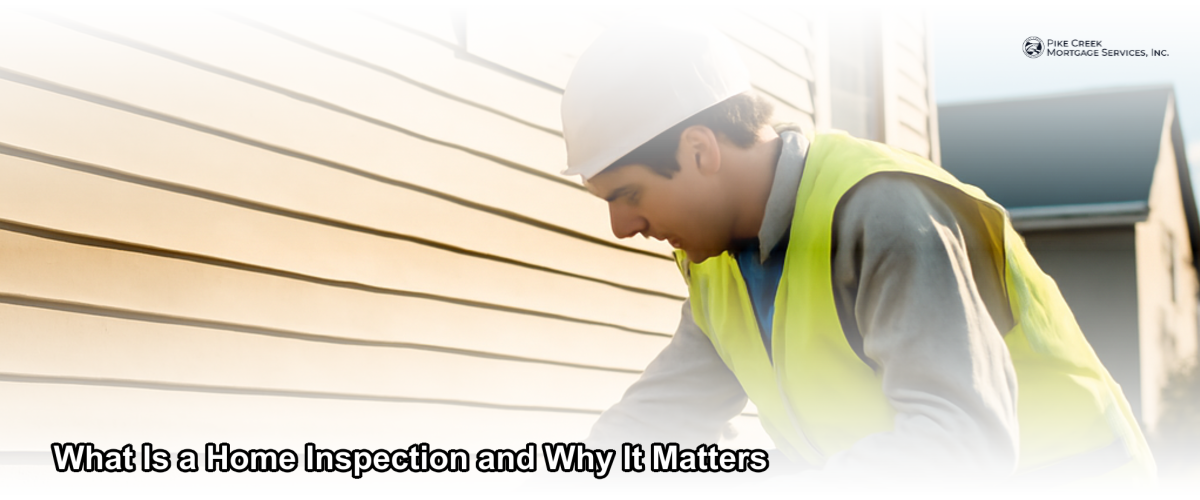
A home inspection is a professional, visual examination of a property’s physical structure and major systems — including the roof, foundation, electrical, plumbing, and HVAC — conducted by a licensed inspector before a real estate sale is finalized. The inspector produces a written report detailing the current condition of each component, noting defects, safety concerns, and items that may require repair or monitoring.
For buyers financing a home through a lender like Pike Creek Mortgages in Newark, DE, a home inspection is one of the most important steps between signing a purchase agreement and sitting at the closing table. It gives you an independent, expert perspective on exactly what you are buying — before you are legally committed to it.
A home inspection is not universally required by mortgage lenders, but it is strongly recommended for every buyer — and certain loan types do require specific inspections. FHA and VA loans, for example, require an appraisal that includes a basic property condition review, but that appraisal is not a substitute for a full home inspection conducted on your behalf.
Even when an inspection is not mandated, skipping it is a significant financial risk. Most purchase contracts in Delaware include an inspection contingency, which gives buyers the right to renegotiate or walk away if the inspector uncovers serious problems. Waiving that contingency — or skipping the inspection entirely — removes a critical layer of protection for your investment.
A standard home inspection covers all major visible and accessible systems and components of the property. A licensed inspector will evaluate the following areas during a typical visit:
In Delaware, where older colonial and split-level homes are common throughout the Newark area and surrounding communities, inspectors frequently flag moisture issues related to the region’s humid summers, as well as aging knob-and-tube wiring in pre-1960s properties. These are not hypothetical concerns — they are among the most common findings in local inspection reports.
A standard home inspection in the Newark, Delaware area typically costs between $350 and $550 for a single-family home, depending on the property’s size, age, and complexity. Larger homes, older construction, or properties with crawl spaces and multiple HVAC systems may push the cost toward the higher end of that range.
Specialized add-on inspections — such as radon testing, mold sampling, sewer scope, or termite/WDI (wood-destroying insect) inspections — are priced separately. Radon testing commonly adds $100 to $150, and WDI inspections (which are required for VA loans) typically run $50 to $100. Buyers should budget for these add-ons when planning their total due-diligence costs.
As covered in our guide to closing costs in Delaware, inspection fees are paid directly to the inspection company — usually at the time of service — and are separate from your lender fees and title costs. They are not rolled into your mortgage.
The inspection report itself is rarely the last cost involved in this phase. If the report reveals defects, buyers often face one or more of the following scenarios — each with its own financial implications:
The home inspection typically takes place within 7 to 10 days of an accepted purchase offer, during what is commonly called the due-diligence or inspection period. In Delaware, the inspection contingency window is usually negotiated into the purchase agreement and gives buyers a defined number of days — often 10 to 15 — to complete inspections and respond to findings.
Scheduling the inspection early in this window is critical. It gives you time to review the report, consult with specialists if needed, negotiate with the seller, and still meet your contract deadlines without rushing. In active markets like Newark and the surrounding Pike Creek Valley corridor, inspectors can book up quickly — lining one up the same day your offer is accepted is a smart move.
Yes — attending the inspection in person is strongly recommended, even though the inspector will provide a written report. Being present allows you to see issues firsthand, ask questions in real time, and develop a clearer sense of their severity before reading them as line items in a document.
A good inspector will walk you through every significant finding on-site and explain what is a minor maintenance issue versus what is a potential safety hazard or major expense. That context is difficult to convey in a written report alone and can meaningfully change how you interpret and respond to the results.
While the home inspection is technically separate from the mortgage underwriting process, its findings can absolutely affect your loan. If an inspection reveals significant structural damage, roof failure, or safety hazards — particularly on FHA or VA loans — the lender’s appraisal may flag the same issues, potentially requiring repairs as a condition of loan approval.
Even on conventional loans, a severely deteriorated property may fail to meet minimum property standards required by investors on the secondary market. Your loan officer at Pike Creek Mortgages, an NMLS licensed lender serving buyers throughout Newark, DE and the surrounding region, can help you understand how specific inspection findings may interact with your loan type before you respond to the seller. That alignment between your due-diligence process and your financing strategy is one of the clearest advantages of working closely with your lender from offer through closing.
For a deeper look at how property condition intersects with appraisal outcomes, see our related guide on the difference between a home appraisal and a home inspection.
This guide was prepared by the licensed mortgage team at Pike Creek Mortgages, an NMLS Licensed Lender serving home buyers in Newark, DE and the greater New Castle County area.
A home inspection is not universally required by mortgage lenders in Delaware, but it is strongly recommended for all buyers. FHA and VA loans require an appraisal that includes a basic property condition review, but that is not a substitute for a full buyer-commissioned inspection.
A standard home inspection in Newark, Delaware typically costs between $350 and $550 for a single-family home. Specialty add-ons like radon testing ($100–$150) or termite/WDI inspections ($50–$100) are priced separately and paid directly to the inspection company.
If the inspection uncovers defects, buyers can negotiate a repair credit, a price reduction, or ask the seller to fix issues before closing. If problems are severe enough, buyers may walk away entirely under the inspection contingency — without losing their earnest money deposit.
Most home inspections take between two and four hours, depending on the size, age, and complexity of the property. Larger or older homes with multiple systems, crawl spaces, or outbuildings typically take longer.
A seller cannot typically prevent a buyer from conducting an inspection if an inspection contingency is included in the purchase contract. However, in competitive markets, some sellers prefer offers without inspection contingencies — a risk buyers should discuss with both their real estate agent and their mortgage lender before waiving that protection.